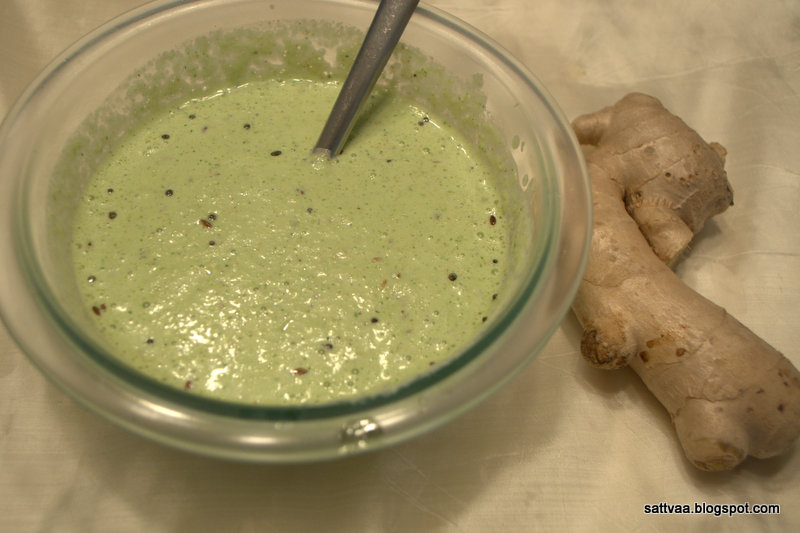
Those of you that suffer from bouts of sinusitis, I am sure will empathize when I say it is one of the worst kind of pains. There was a period in my life I used to have cold, sniffles visiting me with such accurate periodicity that I could count my days of the month by it :-). For a perfectly healthy and active adolescent, this was a bane of existence. And then the seemingly normal cold & cough would turn into splitting head aches and completely blocked nasal passages, not a pretty picture, ha? First time akka told me it was sinusitis or an infection of the nasal passages, I was actually glad that there was an official medical term describing it. It used to be very disruptive and according to my Engineering school classmates, I lacked resistance and hence my nose needed to be fitted with a couple of mega ohms resistors from the electrical lab. I know, I know, Engineering students and their PJs, the brain is exhausted running semester marathons.
So once the diagnosis was made, I used to be on a course of antibiotics and tall glasses of this kashaya to make me feel better. I liked the kashaya better than the medication but I know Akka will say it was the latter that helped more :-).
I am not a doctor nor am I qualified to provide any authentic claims of health benefits from this kashaya but this post is all about my personal experience with the kashaya. Kashaya is a slightly sweetened herbal drink and uses different Indian spices. And there are many variations to the kashaya recipe depending on what it is trying to be a medicine for. Just search for the health benefits of each of the ingredients that go into the kashaya and you will get a lot of information and I will leave it to you to sieve the facts from fiction.
 In many Indian homes, cumin/jeera/jeerige is the first 'go-to' spice after a heavy meal as it is meant to help in the digestion. BH promptly reaches out to a spoonful of cumin after a sumptuous meal, it is a habit from his grandmother. Alternatively, you can be prudent while eating and avoid over eating also :-).
Nammamma never uses white sugar in the kashaya, it is usually the kallu sakkare/kalkandu/rock candy, there are 2 versions you generally get in stores and the red/pink colored ones are considered better in medicinal drinks compared to the white ones. I got some saffron flavored rock candy a few weeks back from a Farsi friend and I used that. If you do not have access to rock candy, use jaggery or bella.
Over the years, my frequent cold/cough became infrequent and I am practically free of this nuisance, but when I do occasionally get it, I come down not just with a bang but a thud and them moan and bemoan some more until I can get all the attention and TLC from the family :-). So when I fell sick this past weekend with a jumbo cold, cough and infected sinus, poor BH was incharge of making sure that the World didn't come to a stand still. The man is full of good intentions, he promptly went, boiled a glass of milk, crushedsome lot of pepper and put a big pinch of turmeric with some sugar and brought it to me. While that drink felt wonderful that afternoon, by evening the remaining portion had turned bitter with the turmeric. So, after I got up the next day, I made some kashaya and here it is promptly going on the blog so BH has a reference when the wife climbs the bed sniffling and coughing and generally looking pathetic. I love blogging for all these fringe benefits :-)
So if you have a blocked nose from cold, make this kashaya, keep a box of tissues handy, bend your face down and gulp the hot (not warm), soothing kashaya and mentally follow it as it passes through your tongue and throat. You will see your nose clearing up and your hand reaching out to that box of tissues. A couple of tall glasses of kashaya and you are good to go.
Tip: Adjust the pepper to a little higher than your normal tolerance level.
 What do you need to make Jeerige kashaya?
4 cups water
1 Tsp cumin
3/4 Tsp black pepper
small piece of ginger
1/2 Tsp coriander seeds
1/2 Tsp honey
1 inch piece of rock candy or kallu sakkare/jaggery
1/2 cup milk
 How do you make Jeerige kashaya?


So once the diagnosis was made, I used to be on a course of antibiotics and tall glasses of this kashaya to make me feel better. I liked the kashaya better than the medication but I know Akka will say it was the latter that helped more :-).
I am not a doctor nor am I qualified to provide any authentic claims of health benefits from this kashaya but this post is all about my personal experience with the kashaya. Kashaya is a slightly sweetened herbal drink and uses different Indian spices. And there are many variations to the kashaya recipe depending on what it is trying to be a medicine for. Just search for the health benefits of each of the ingredients that go into the kashaya and you will get a lot of information and I will leave it to you to sieve the facts from fiction.

Nammamma never uses white sugar in the kashaya, it is usually the kallu sakkare/kalkandu/rock candy, there are 2 versions you generally get in stores and the red/pink colored ones are considered better in medicinal drinks compared to the white ones. I got some saffron flavored rock candy a few weeks back from a Farsi friend and I used that. If you do not have access to rock candy, use jaggery or bella.
Over the years, my frequent cold/cough became infrequent and I am practically free of this nuisance, but when I do occasionally get it, I come down not just with a bang but a thud and them moan and bemoan some more until I can get all the attention and TLC from the family :-). So when I fell sick this past weekend with a jumbo cold, cough and infected sinus, poor BH was incharge of making sure that the World didn't come to a stand still. The man is full of good intentions, he promptly went, boiled a glass of milk, crushed
So if you have a blocked nose from cold, make this kashaya, keep a box of tissues handy, bend your face down and gulp the hot (not warm), soothing kashaya and mentally follow it as it passes through your tongue and throat. You will see your nose clearing up and your hand reaching out to that box of tissues. A couple of tall glasses of kashaya and you are good to go.
Tip: Adjust the pepper to a little higher than your normal tolerance level.

4 cups water
1 Tsp cumin
3/4 Tsp black pepper
small piece of ginger
1/2 Tsp coriander seeds
1/2 Tsp honey
1 inch piece of rock candy or kallu sakkare/jaggery
1/2 cup milk

- Take the pepper, cumin and coriander in a mortar & pestle and pound them lightly so they open up. Do not crush into fine powder.
- Wash, peel and cut ginger into thin julienne.
- Add water in a big sauce pan, add all the spices into it and let it come to a boil.
- Simmer and let it boil for 5-7 minutes, let the spices show their magic. Water will reduce a little bit.

- Add the rock candy and honey and boil just until they dissolve.

- Add the milk and let it continue to boil for another 2-3 minutes.
- Switch off the stove.
- Use a fine sieve and filter the kashaya into a glass and drink it hot.

Notes:
- Do not make a fine powder of the spices as it tends to add a bitterness to the kashaya.
- The sweetness from the honey & candy sugar is to balance the spices but do not over do it. You can skip one of them if you choose to or increase the quantity slightly.
- The color of the drink changes based on the ingredients used, if you use regular jaggery, you will get a much darker shade of brown. Since my sweeteners were light colored, the drink has just a light hue pushing it away from milky white.
- I like to make a couple of servings of kashaya at a time to keep it fresh. You can reheat the sieved kashaya to make it hot.
- There are other types of kashayas that use different herbs and spices, I will get to them sometime but this is my favorite one.

It was purely coincidental that I noticed a message on the FB about an event and I think my Jeerige Kashaya is a perfect entry to the Hearth & Soul blog hop.